

When TDSB Students Built Real Health Campaigns for PIH Canada
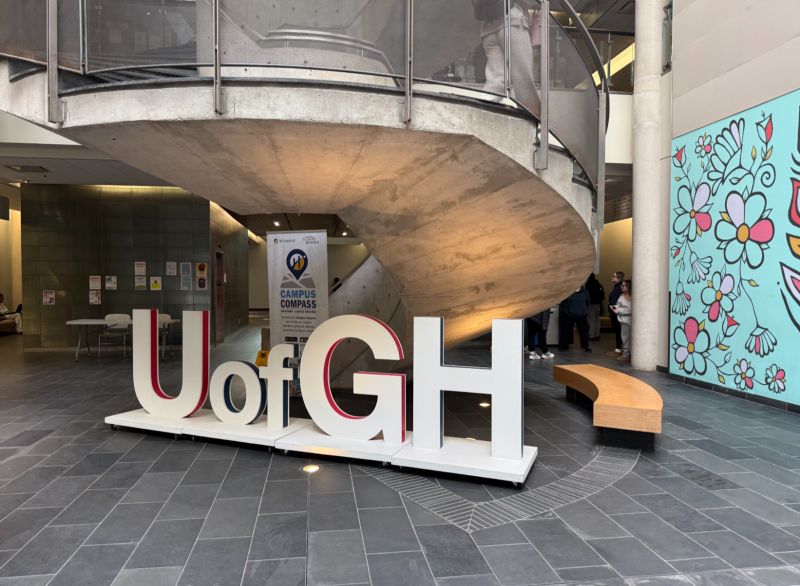
On a recent morning at the University of Guelph-Humber, students from Western Technical-Commercial School walked into a room that looked nothing like a classroom. By the end of the day, they had designed digital campaigns and youth event proposals for one of Canada's leading global health organizations.
This is what experiential learning looks like when the stakes are real.
The SHSM Workshop
The full-day session was built around a partnership with Partners In Health Canada (PIH Canada), an organization working on global health equity. Students weren't given hypothetical prompts. They were given PIH Canada's actual mission and asked to create something useful.
Two challenge streams ran simultaneously. Students in the Business and Marketing stream chose a healthcare issue aligned with PIH Canada's work, defined a target audience in Ontario, studied what strong advocacy content looks like in practice, and built a campaign kit complete with post ideas, a flagship asset, and a 60-second strategy pitch. Students in the Nonprofit stream designed full event proposals targeting university students, including realistic budgets, engagement pathways, and measurable impact metrics.
The deliverables were specific: a one-page Digital Campaign Blueprint or a structured Event Proposal, each followed by a 60-second strategy pitch to the room.
Why Real Organizations Change the Dynamic
There is a meaningful difference between a classroom project and a brief from an actual organization. When students know their ideas are grounded in a real mission, the quality of their thinking shifts. They ask better questions. They consider feasibility. They take feedback differently.
Zeina Shaaban, Manager of Digital Communication and Grassroots Strategy at PIH Canada, and Alison Horton, Officer of Programs and Youth Engagement, brought expertise that gave the day genuine direction. Their presence meant students weren't performing for a grade. They were contributing to a conversation about global health advocacy that exists well beyond the walls of any school.
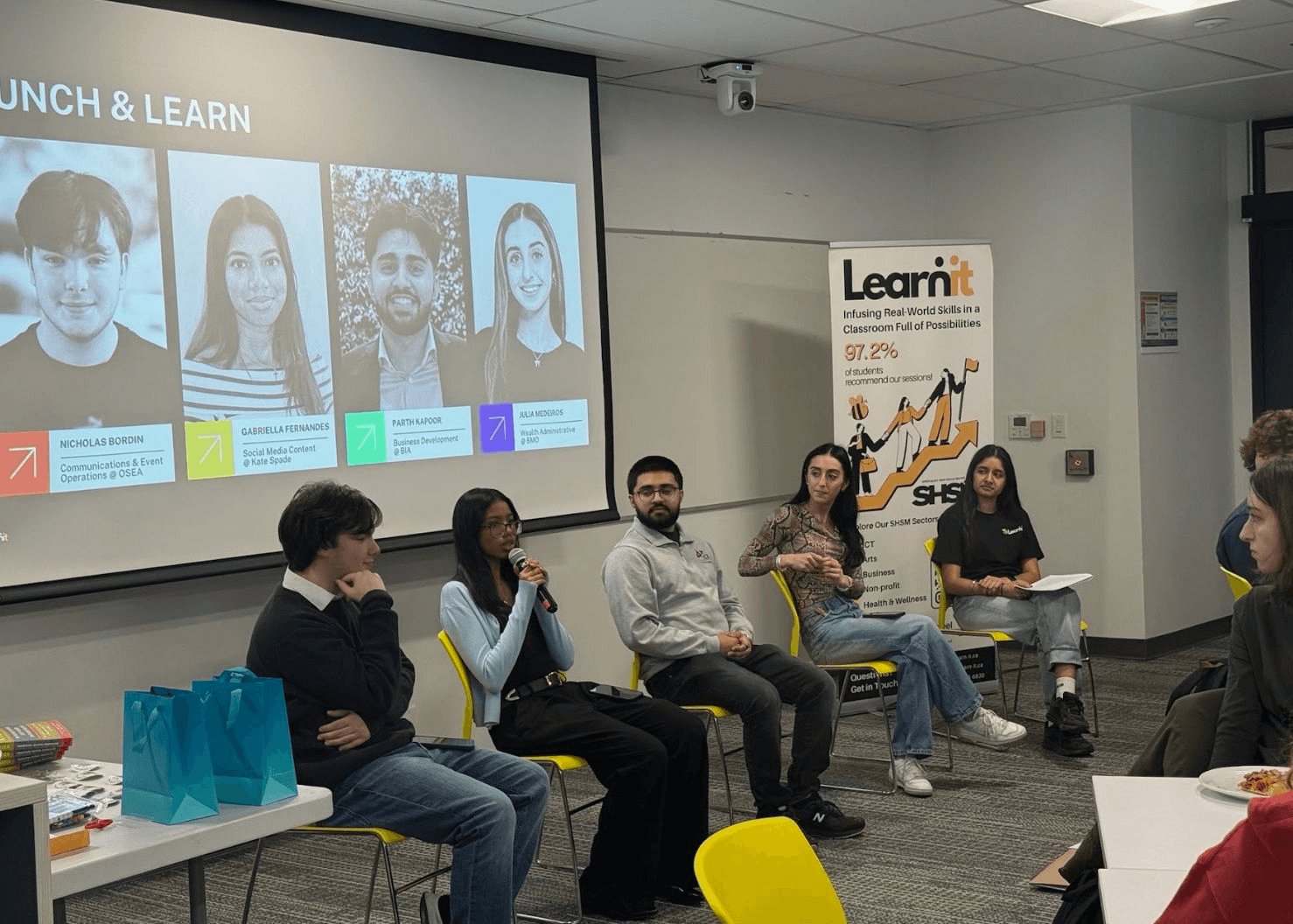
The industry panel reinforced this. Nicholas Bordin from OSEA, Gabriella Fernandes from Kate Spade, Parth Kapoor from BIA, and Julia Medeiros from BMO each shared their career journeys and showed students what early-career professionals actually do. For students exploring SHSM pathways in business, marketing, and nonprofit management, these conversations provide context that curriculum documents alone cannot deliver.
What Students Actually Produced
The marketing teams developed campaigns that felt genuinely actionable. Students researched real creator and NGO accounts with strong engagement, identified specific tactics to adapt, and built assets that demonstrated both creativity and strategic thinking. The nonprofit teams produced event proposals with the kind of structure you would expect from an early-stage professional pitch: clear timelines, defined audiences, realistic constraints.
The 60-second pitches at the end tested a different set of skills entirely. Communicating a complex idea under time pressure, in front of people who know the space, requires clarity and confidence. Students practiced both.
Beyond the Workshop
Experiences like this one fulfill SHSM sector requirements, but the value runs deeper. Students who spend a day building a real campaign for a global health organization leave with portfolio material, professional vocabulary, and a clearer sense of whether this kind of work fits them.
Some will pursue careers in marketing or nonprofit management. Others will take the strategic thinking and communication skills into completely different fields. The point of experiential learning is not to lock students into a single path. It is to give them the tools and exposure to make informed decisions about where they want to go.
Facilitator Isha Sidhu kept the day running with the kind of energy and care that allowed students to focus on the work rather than the logistics. That facilitation matters more than most people realize.
A special thank you to the teachers and students of Western Technical-Commercial School for making the day what it was.
For Educators Considering Similar Partnerships
Nonprofit partnerships offer something unique for SHSM programming. Organizations like PIH Canada have real challenges they need help thinking through, and they bring a mission-driven urgency that resonates with students in ways that corporate simulations sometimes do not.
The key is finding partners willing to share genuine problems, not sanitized case studies. When students know their work might actually inform how an organization approaches its next campaign or event, the engagement follows naturally.
Start with organizations already active in your community. Reach out with a clear proposal for what students can offer and what the partnership would look like. The best sector partnerships are mutual: students gain experience and exposure, and partners gain fresh perspectives on challenges they are actively solving.
About LearnIt Solutions
LearnIt Solutions partners with Ontario school boards and independent schools to deliver experiential learning programs and SHSM certifications. We work with 20+ school boards and corporate partners to help students develop real world skills and career clarity. Learn more at www.learn-it.ca.
As part of LearnIt Media, we also amplify education innovation stories through our LearnIt podcast, featuring conversations with Ontario superintendents, principals, and education leaders reimagining student learning.
Founder Dhiraj Hariramani
CEO & Chief Learning Officer, LearnIt Solutions Inc.
Dhiraj founded LearnIt to bridge the gap between classroom theory and career readiness. A UBC graduate and consultant at Accenture, he has directly impacted 10,000+ students across Ontario school boards.
As host of the LearnIt podcast, Dhiraj facilitates conversations with education leaders exploring innovation, equity, and student centered approaches to learning.
Connect: LinkedIn | dhiraj@learn-it.ca | +1 (236) 788 6830
