

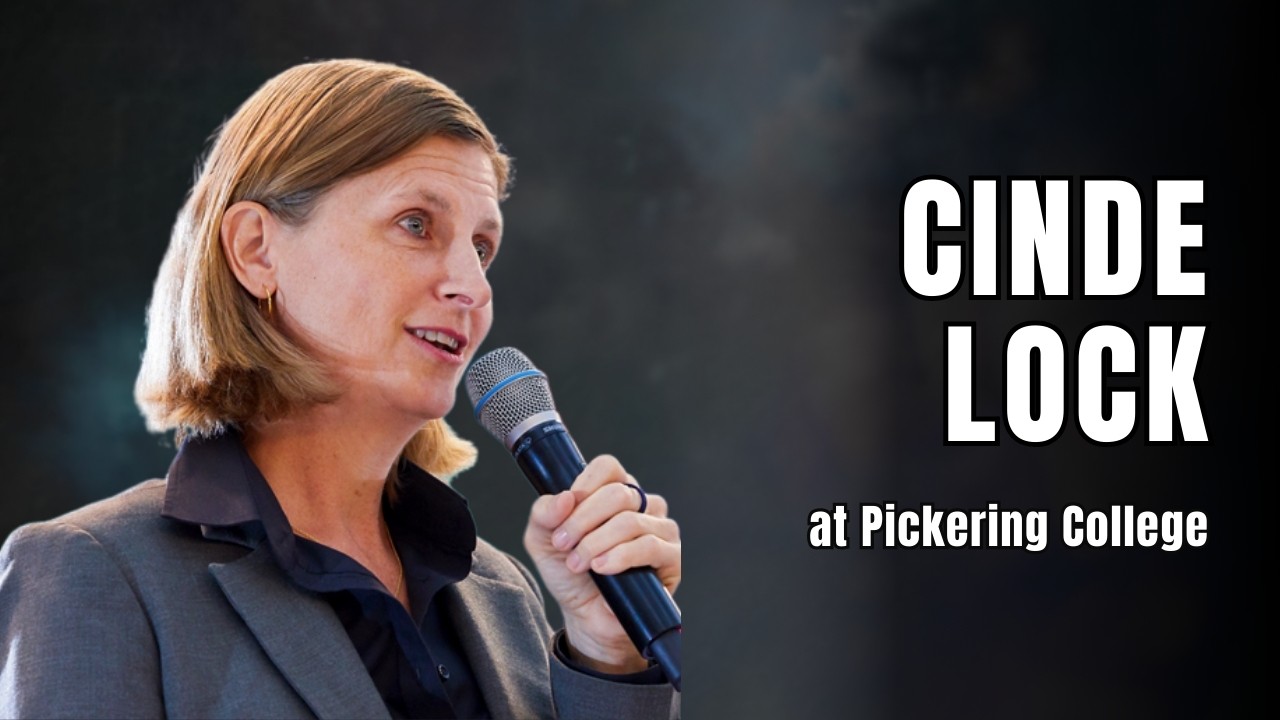
Leading with Clarity and Care: Dr. Cinde Lock on Making School Real
In this episode of The LearnIt Podcast, Pickering College’s Head of School Dr. Cinde Lock traces her path from a chemistry major unsure of her direction to an internationally respected school leader and makes a case for purposeful learning that meets real needs.
What does it take to keep school relevant for young people today? For Dr. Lock, it starts with courage, community, and work that matters beyond the classroom.
When a surprise internship through the U.S. State Department opened a door to West Africa, she said yes. The first night in Abidjan she slept at the airport and wondered if she had made a mistake. The next morning she chose curiosity over fear and that choice set a trajectory that would carry her across Egypt, Saudi Arabia, Morocco, Trinidad, and South Korea. “I love learning about different people, different places, teaching, and learning itself,” she said on the show.
From chance to calling
Those early years were not tidy. Resources were thin and expectations high. In West Africa she saw families invest in education despite economic hardship. In Saudi Arabia she watched motivation surge when opportunity appeared. In Korea she encountered a culture that treated education as life’s central pursuit while still nurturing balance across academics, arts, and athletics. Each stop became a lens, sharpening the same conviction. Context matters. Relationships matter. Purpose matters most.
Finding a voice at Pickering
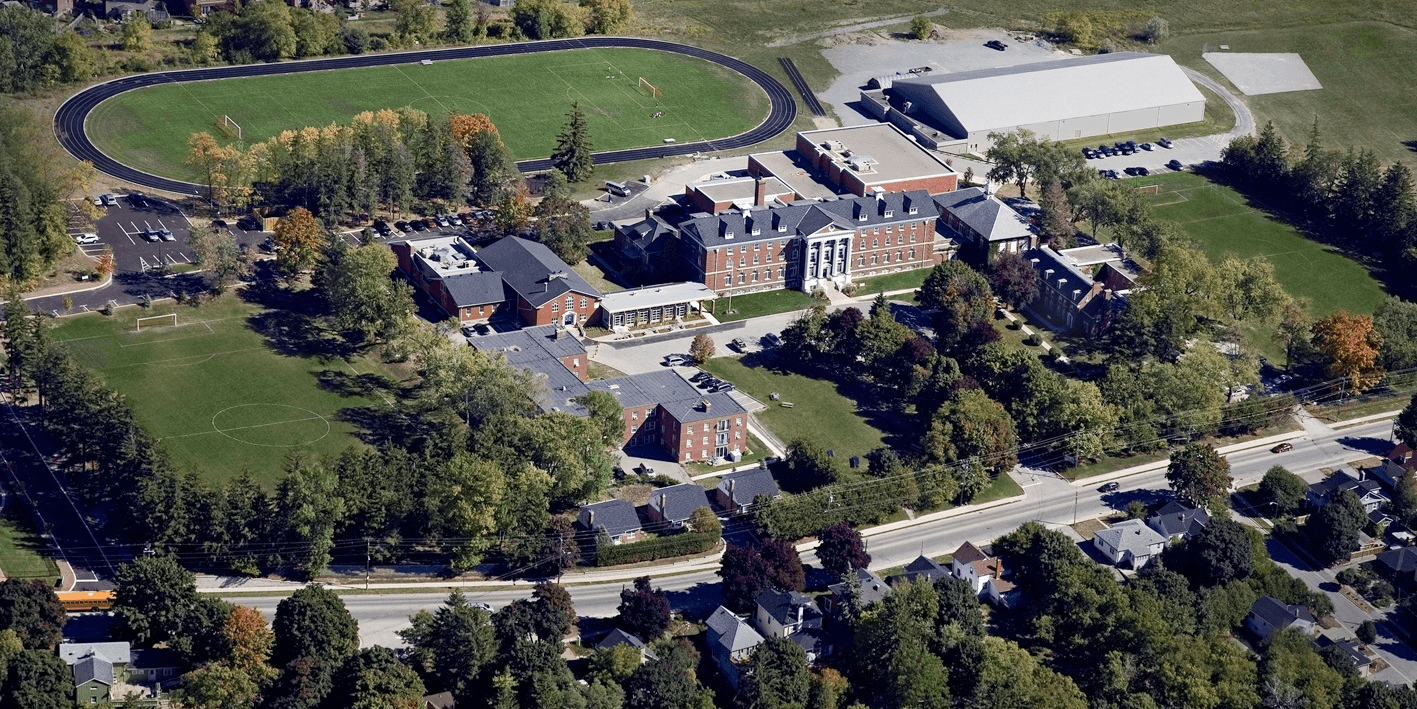
Since August 2022 Cinde has served as Head of School at Pickering College, Canada’s only Quaker founded school and the second oldest independent school in Ontario. She succeeded a beloved leader and became the school’s first female head. Rather than mimic the past, she anchored herself in the school’s Quaker values of Simplicity, Peace, Integrity, Community, Equality, and Stewardship and the regular practice of collective quiet. “People are not expecting you to be the other person. As long as you bring your best self, it is okay.” Moments of silence are not symbolic at Pickering. They are a way to pause, reflect, and focus on what truly matters for students and staff, a practice rooted in the school’s values and identity. Pickering College+1
From compliance to contribution
Cinde is candid about why school must change. “Education will become personalized. We can track learning line by line. Why give the same test at the same time in the same way.” That belief shows up in how Pickering structures learning. “We do it in spades here,” she said of a program that integrates experiential, purpose driven projects with strong academics.
The SPARC program in Middle School makes the shift visible. Students take on community challenges where their outputs are needed and to be used by others. “Every assignment is for the teacher, for general feedback, and then it is done. But what if it were something someone else needed in the world.” Recent projects include designing logos and hardware for a service dog startup, co-creating simple digital games with seniors to reduce isolation, and publishing a narrative collection to challenge stigma around homelessness after a local shelter proposal failed at council. “It better be the very best it can be because it is going to be used.” The point is not a grade. It is usefulness and the pride that follows.
Rethinking assessment for a personalized era
Cinde draws a parallel to medicine’s shift from generic treatment to personalized care. “Education will become that. It has to.” Her vision replaces one-size-fits-all exams with a visible ledger of mastery, where students demonstrate competencies over time and across contexts, supported by artifacts and real testimonials. This direction aligns with research on competency based education, which ties deeper learning to clear standards, iterative feedback, and multiple ways to show what a student can do. XQ+1
Innovation with a human center
Technology is a tool, not the point. “We have to amplify what AI and technology can never do, the human connections, the real-world engagement, the purpose behind learning.” She is optimistic about AI when it returns time for mentoring and makes formative feedback more precise. She is wary when it distracts from belonging and meaning. The balance she champions mirrors current evidence. Systems that pair new tools with authentic tasks and strong relationships see better engagement and achievement than those that chase novelty without purpose. nationalacademies.org+1
Listening to students and to the moment
Leadership for Cinde is as much about presence as it is strategy. She tells the story of hugging a boarding student who had just earned a hard-won university offer. “Be in the moment with each person for whatever they need.” That same listening frames her approach to student voice. Invite students to help set criteria. Ask them what is working. Act on what they say. Schools that treat young people as co-creators report stronger engagement and connection, a finding echoed across student voice and SEL research.
Why this work cannot wait
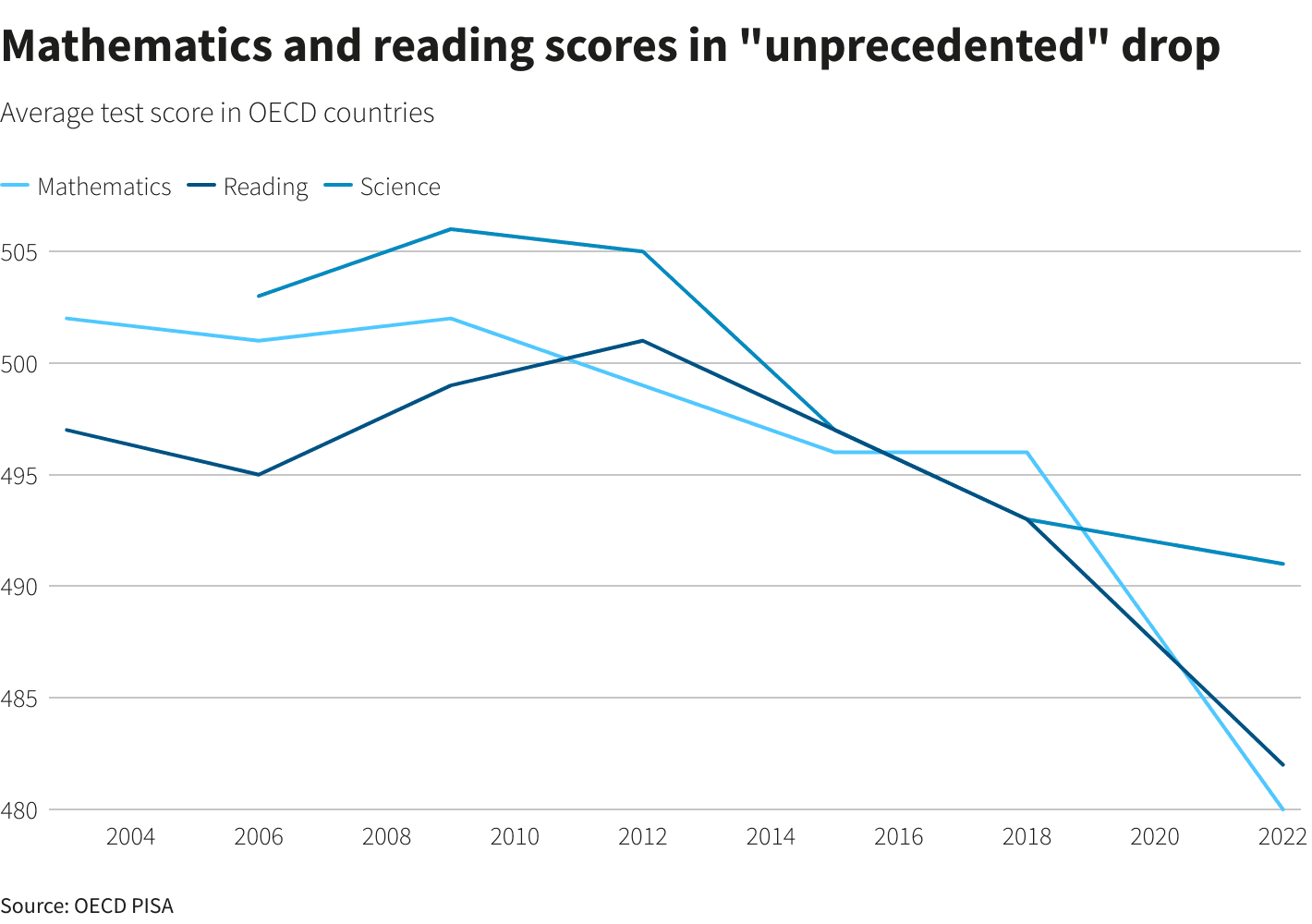
Across countries the latest PISA cycle shows unprecedented declines in mathematics and reading since 2018, including in Canada, with longstanding trends in motivation and well being uneven across systems. These results are a signal to reconnect learning to relevance and to make progress visible. At the same time, national surveys show engagement gaps and inconsistent access to the kinds of meaningful experiences students say they want, reinforcing the need for purposeful, real world work in school.
Cinde also points to student hope as a critical measure. If learners do not feel their work matters or builds a future, nothing else holds. Recent joint research from The Association of Boarding Schools and the Canadian Accredited Independent Schools found boarding students in the 2024 School Life in Focus study report stronger belonging and greater optimism about their futures compared with non-boarding peers, suggesting that tight knit, purpose driven environments can move the needle on hope.
The leadership through line
Taking over after a long serving head, Cinde used her first graduation address to challenge the myth of sole credit by recalling the discovery of insulin as a story of collaboration. The message landed. Her stance has not changed. Take risks. Learn out loud. Pivot when evidence asks you to. “If you take the risk and it does not work, then you pivot and learn. The risk is worth it.”
What leaders can do on Tomorrow
Pick one authentic partner problem. Choose a real need in your community. Let students build something that helps and keep iterating until a partner says yes.
Make assessment visible. Translate outcomes into clear competencies and gather varied artifacts to prove mastery over time
Protect the pause. Use brief moments of quiet to maintain focus and align action to shared values.
Treat students as co-designers. Ask, listen, and act. Layer SEL routines that strengthen belonging and resilience.
A line to remember
“Develop people who develop schools. Engage kids with the real world, mentors, and experts who are striving to make a difference. Let students be part of it, find who they are, and do work that is needed.”